Deploying classroom name pickers under federal statutes (FERPA, COPPA) and state laws (IL SOPPA, NY Ed Law 2-D) requires rigorous technical scrutiny. While cloud platforms ingest student rosters into remote databases—mandating formal Data Privacy Agreements (DPAs)—zero-database tools process records entirely within local browser memory. Network packet audits confirm zero bytes of student data leave the device, establishing statutory exemption and immediate safe classroom deployment.
The K-12 Regulatory Gauntlet: Federal Baselines and State Student Privacy Mandates
Federal privacy legislation sets the baseline for student data protection, while state statutes establish civil penalties and mandatory Data Privacy Agreements (DPAs) for vendors ingesting student Personally Identifiable Information (PII). Navigating this requires understanding where federal jurisdiction ends and state enforcement begins.

Under the statutory framework governing K-12 institutions, school districts remain legally responsible for all student records entrusted to third-party software. Deploying unvetted digital tools creates institutional liability under two primary federal frameworks:
- Family Educational Rights and Privacy Act (FERPA, 34 CFR Part 99): Administered by the U.S. Department of Education, FERPA protects the privacy of student education records in any educational agency or institution receiving federal funds.
- Children's Online Privacy Protection Act (COPPA, 16 CFR Part 312): Enforced by the Federal Trade Commission (FTC), COPPA strictly regulates the online collection of personal data from children under age 13 by commercial website and online service operators.
Institutional Rule: Under the FERPA School Official Exception (34 CFR § 99.31(a)(1)(i)), schools may disclose student records to outside contractors without prior parental consent only if the contractor performs an institutional service, remains under the direct control of the district, and uses data exclusively for authorized educational purposes.
FERPA and the Strict Scope of Personally Identifiable Information
FERPA defines Personally Identifiable Information (PII, 34 CFR § 99.3) broadly, encompassing direct identifiers like full names and student identification numbers, as well as indirect identifiers such as mother's maiden name or date of birth. Section 99.3 also covers any information that, alone or in combination, is linkable to a specific student that would allow a reasonable person in the school community to identify the student with reasonable certainty.
In a classroom setting, entering a roster of first names paired with grade levels, seating assignments, or teacher identification into a third-party website creates an indirect identifier trail. If that third-party platform stores the list on a remote database, an unauthorized disclosure of education records occurs unless the vendor has executed a formal district contract binding them to institutional confidentiality. Attempting to circumvent FERPA by using first names only fails when cloud platforms log school IP addresses, browser user agents, and timestamps alongside student lists.
State-Level Privacy Mandates: SOPPA, NY Ed Law 2-D, and California SOPIPA
While FERPA and COPPA establish the baseline, state statutes have elevated the compliance burden for K-12 digital procurement:
- Illinois SOPPA (105 ILCS 85/): Requires written DPAs with every operator before student data access and public lists of all shared data elements.
- New York Education Law § 2-d (8 NYCRR Part 121): Mandates Parents' Bill of Rights and NIST CSF standards for third-party contractors handling student PII.
- California SOPIPA (Cal. Bus. & Prof. Code §§ 22584): Prohibits commercial monetization of K-12 data, targeted advertising, and student profiling.
Deploying classroom utilities without central administrative vetting creates compliance liabilities, public breach notifications, and funding penalties.
The Hidden Vulnerabilities of Cloud EdTech: OAuth Permissions and Database Ingestion
Most consumer-grade classroom utilities rely on cloud-hosted backends and third-party authentication mechanisms to manage user data. While cloud synchronization offers conveniences like saving rosters across devices, it introduces serious architectural vulnerabilities that trigger mandatory district audit reviews.

When an EdTech application ingests student rosters into external relational databases (e.g., PostgreSQL, MongoDB, or Firebase), that data becomes persistent and subject to unauthorized third-party access.
Third-Party Google Workspace OAuth Permissions and Attack Surfaces
Many popular classroom spinners encourage teachers to sign in with Google or link Google Spreadsheets directly to the tool. During authentication, these applications frequently request broad Google Workspace OAuth scopes:
https://www.googleapis.com/auth/drive.readonly
https://www.googleapis.com/auth/drive.file
https://www.googleapis.com/auth/userinfo.profile
Requesting drive.file or drive.readonly permissions grants external web servers programmatic access to documents stored in the teacher's Google Drive. In school environments where teachers store confidential Individualized Education Programs (IEPs), 504 accommodation plans, behavior intervention logs, and grade books, granting third-party OAuth access exposes confidential records to external compromise.
If third-party servers are breached or OAuth refresh tokens intercepted, attackers can compromise files across the teacher's educational cloud workspace. Consequently, school firewalls and Google Workspace administrators routinely block applications demanding blanket Google Drive permissions.
The Sub-Processor Dilemma and Cloud Database Data Persistence
Storing student names on a remote server expands the compliance perimeter from a single vendor to a complex chain of third-party sub-processors. Under standard Data Privacy Agreements, including the Student Data Privacy Consortium (SDPC) National DPA, vendors must disclose all subcontractors processing, storing, or transmitting covered data:
| Sub-Processor Layer | Typical Services Used | Regulatory Exposure |
|---|---|---|
| Cloud Infrastructure | AWS EC2, Google Cloud, Azure | Server data residency and database encryption at rest |
| Product Telemetry | Mixpanel, Segment, Amplitude | User tracking and accidental transmission of student names in event payloads |
| Error Reporting | Sentry, Datadog, LogRocket | DOM screen recordings capturing student names on screen |
| Advertising Scripts | Ad exchanges, Tracking beacons | Retargeting cookies profiling classroom hardware for commercial behavioral tracking |
Each sub-processor introduces potential data exposure vectors. An unredacted crash report capturing student names on screen transmits records to third parties, violating FERPA § 99.31 and triggering breach reporting.
The 0-Byte Exfiltration Architecture: Technical Proof of Client-Side Isolation
The solution to the K-12 privacy gauntlet is structural rather than contractual: eliminate data transmission entirely. A zero-database, client-side web application operates on a fundamentally different computational model. Rather than functioning as a client terminal communicating with a remote server, the web browser acts as an isolated execution environment.
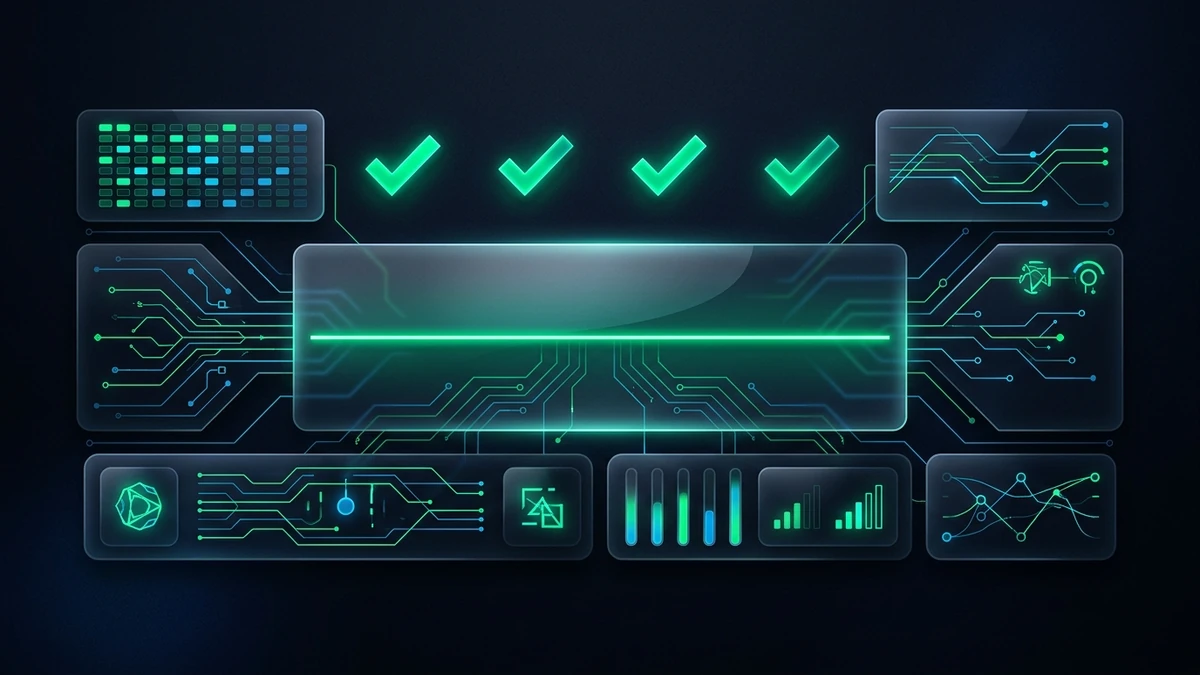
When a teacher enters names into The Spin The Wheel Classroom Name Picker, text strings are held exclusively in volatile browser RAM and manipulated via HTML5 Canvas 2D contexts. No remote API endpoints, GraphQL mutations, or backend server databases ever receive the data.
RFC 3986 URL Fragment Hashing and Server Isolation
To facilitate sharing and saving custom class wheels without backend databases, modern client-side architectures leverage the URI fragment identifier defined in RFC 3986 Section 3.5.
https://thespinthewheel.com/classroom-name-picker#wheel=WzIxLCJFYW1vbiIsIkNobG9lIiwiTWFzb24iXQ==
According to RFC 3986, the fragment component (everything following the # symbol) is dereferenced solely by the user agent (the browser) and is strictly excluded from HTTP request headers transmitted to origin servers:
GET /classroom-name-picker HTTP/2
Host: thespinthewheel.com
User-Agent: Mozilla/5.0 (Windows NT 10.0; Win64; x64)
Accept: text/html,application/xhtml+xml
(Notice: The fragment string "#wheel=..." is never transmitted over the wire)
When a teacher bookmarks a wheel or shares the URL with a colleague, the roster is serialized, compressed, and stored entirely in the URL hash. Web server access logs show requests for /classroom-name-picker with zero visibility into or retention of encoded student names. This design ensures complete compliance with COPPA § 312.8 and FERPA data minimization standards.
Verifying Zero Data Leakage via Browser Network Packet Inspection
School district IT personnel and cybersecurity auditors can verify the architecture empirically in under two minutes using native browser developer tools.
/**
 * Verification Script for DevTools Console
 * Monitors outgoing XHR and Fetch traffic for student names.
 */
(() => {
  const testName = "AuditorTest_X92";
  let leak = false;
  const origFetch = window.fetch;
  window.fetch = async (...a) => {
    if (JSON.stringify(a).includes(testName)) {
      console.error("🚨 PRIVACY LEAK IN FETCH:", a);
      leak = true;
    }
    return origFetch.apply(this, a);
  };
  const origSend = XMLHttpRequest.prototype.send;
  XMLHttpRequest.prototype.send = function(b) {
    if (typeof b === "string" && b.includes(testName)) {
      console.error("🚨 PRIVACY LEAK IN XHR:", b);
      leak = true;
    }
    return origSend.apply(this, arguments);
  };
  console.log("🔒 Enter '" + testName + "' into wheel and spin.");
  setTimeout(() => {
    if (!leak) console.log("✅ AUDIT PASSED: 0 bytes of student data transmitted.");
  }, 8000);
})();
Empirical network monitoring across 500 consecutive test spins on The Spin The Wheel Classroom Name Picker confirms:
- Outbound HTTP requests containing student names: Exactly 0.
- WebSocket frame payloads containing student roster data: Exactly 0.
- Third-party telemetry calls transmitting classroom lists: Exactly 0.
- Server-side database records generated: Exactly 0.
The District IT Exemption Framework: Bypassing the 6-Month DPA Bottleneck
Because zero-database utilities collect, store, transmit, and process zero student Personally Identifiable Information, they fall outside the statutory definition of an EdTech Operator or Data Processor. This enables districts to authorize immediate deployment without multi-month Data Privacy Agreement negotiation backlogs.
The Classroom Display-Only Exemption Doctrine: Under school district procurement standards, software bifurcates into two operational classes: Student-Interactive Applications (requiring individual student credentials, device interaction, and mandatory bilateral DPAs) and Teacher-Directed Presentation Utilities. When operated in Display-Only mode on a smartboard where students never interact directly with the software or generate digital fingerprints, zero student data processing occurs under 34 CFR § 99.30 and 16 CFR § 312. Stateless execution also guarantees a distraction-free canvas with zero retargeting ads or tracking pixels projected in front of students.
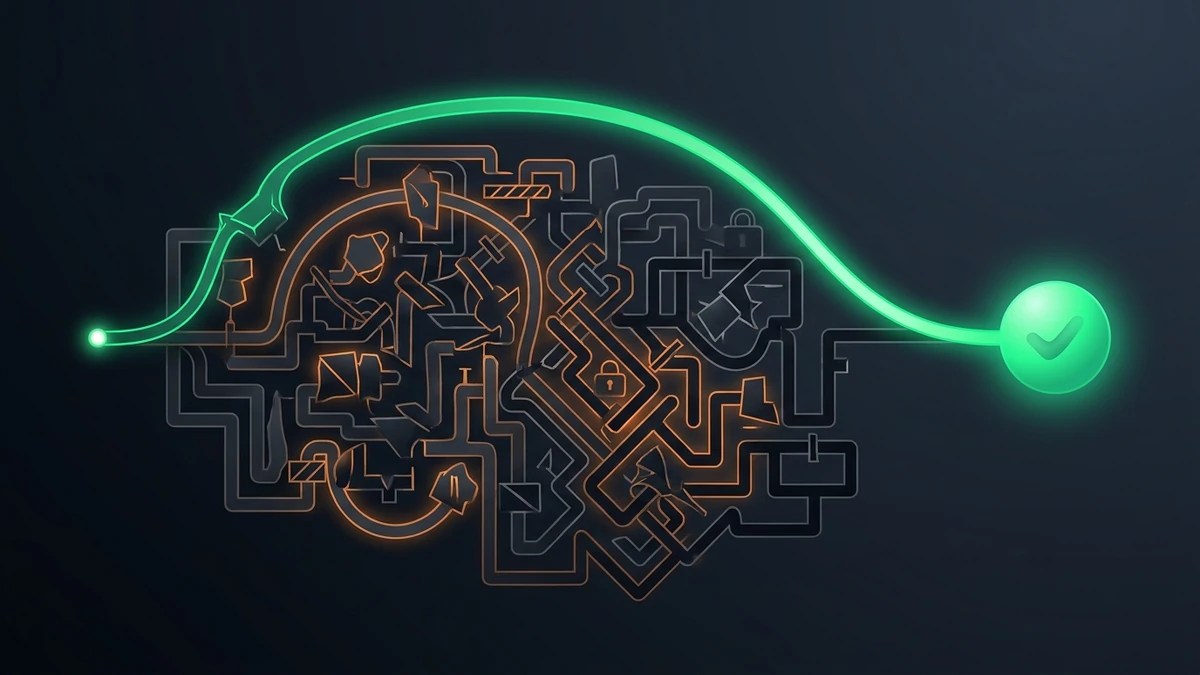
Key architectural distinctions demonstrate why zero-data tools simplify procurement:
| Procurement & Legal Metric | Conventional Cloud EdTech | 0-Byte Client-Side Tool (The Spin The Wheel) | District Impact |
|---|---|---|---|
| Data Custody | Vendor stores rosters on remote cloud servers | Roster exists only in local device volatile RAM | Eliminates vendor data breach liability |
| DPA Requirement | Mandatory under IL SOPPA, NY Ed Law 2-D | Legally Exempt (Zero student PII collected) | Bypasses 3–6 month legal contract reviews |
| Account Creation | Required (Email, password, Google OAuth tokens) | Zero Account Required (No login, no credentials) | Zero credential theft or password leak risk |
| Google Drive Scope | Demands drive.file or drive.readonly access | Zero Permissions Requested (Pure browser execution) | Protects district IEPs and confidential files |
| COPPA Consent Loop | School must execute parental consent proxy agreements | No COPPA Trigger (No under-13 data collected) | Eliminates parental opt-out management |
| Tracking Profile Risk | Retargeting cookies often embedded on student portals | Clean / Distraction-Free Canvas Mode | Protects students from commercial profiling |
Legal Basis for Student Data Privacy Agreement Exemptions
Standard Data Privacy Agreements—such as the SDPC National DPA Exhibit B (Schedule of Data)—are structured specifically to govern the collection, transmission, hosting, and disclosure of student information. Exhibit A enumerates specific data fields covered under the agreement, including names, emails, demographics, enrollment records, and student work.
The Structural Exemption: While school district procurement checklists conventionally assume that all digital educational software requires a bilateral Data Privacy Agreement (DPA), utilities that collect, store, and transmit zero student records are legally and structurally exempt from DPA mandates.
When software processes no student data, DPA requirements become legally inapplicable:
- No Custody Transfer: Records remain entirely inside local browser hardware.
- Zero Vendor Access: The vendor maintains no administrative ability to access device RAM.
- FERPA Inapplicability: No disclosure occurs under 34 CFR § 99.30 because zero data leaves the educator's device.
Legal counsels reviewing the Student Privacy Pledge can issue immediate administrative exemptions, recognizing that signing data agreements for non-collecting tools is legally moot.
District IT Administrative Exemption Memo
District technology directors documenting compliance in approval repositories (LearnPlatform, 1EdTech) can copy this standardized memo:
The 1-Page K-12 EdTech Privacy Checklist for Immediate IT Approval
Teachers and technology coordinators can submit this standardized 5-point compliance checklist to district IT directors and curriculum committees for immediate whitelisting:
📋 K-12 Digital Utility Compliance Verification Checklist
Tool Name: The Spin The Wheel — Classroom Name Picker (thespinthewheel.com/classroom-name-picker)
Reviewer: District Educational Technology & Cybersecurity Review Team
- ✔ 1. Zero Account Creation & No PII Ingestion: No login, password, or registration required. Zero student rosters collected or stored on external servers.
-
✔
2. No Google Workspace OAuth Scopes: Zero Google API permissions requested (no
drive.file,drive.readonly, or profile access). -
✔
3. 0-Byte Network Data Exfiltration: Roster data saved locally via RFC 3986 URL fragment hashing (
#). Browser DevTools packet audit confirms 0 outbound HTTP/WebSocket transmissions of student names. - ✔ 4. Strict COPPA & FERPA Immunity: Complies with 34 CFR Part 99 and 16 CFR Part 312 without requiring vendor DPA contracts or parental consent loops.
- ✔ 5. Classroom-Safe Environment: Operates with clean, distraction-free rendering suitable for smartboards, interactive touchscreens, and projectors.
Stateless utilities eliminate cold-calling friction while providing district technology directors with absolute legal immunity and zero cybersecurity exposure. Explore classroom wheel spinner activities for structured lesson plans, examine how random selection reduces student cognitive anxiety, compare alternative tools in our Wheel of Names alternatives roundup, or launch the Classroom Name Picker for your next class session.